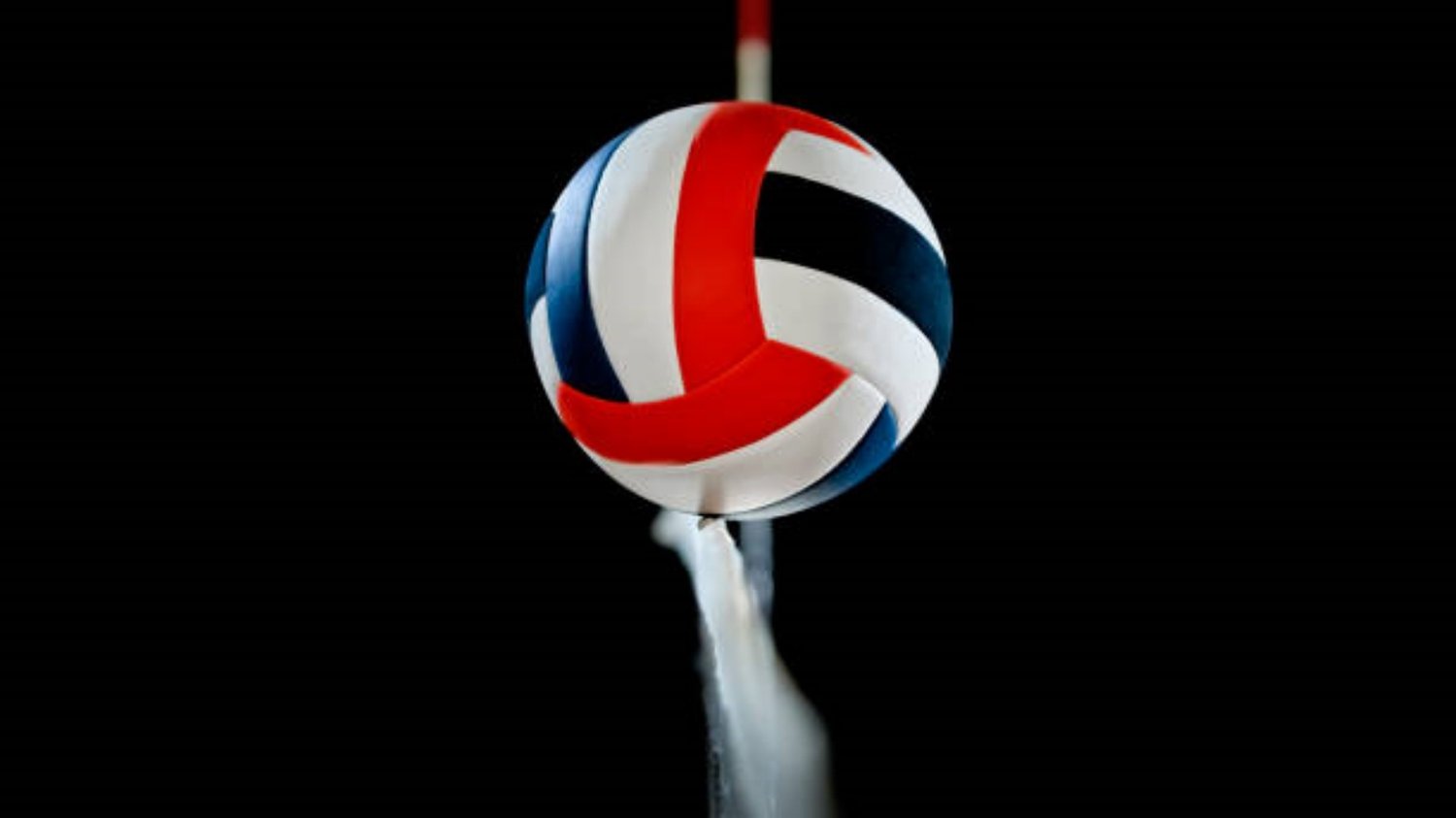
Understanding Machine Stitched Volleyball Construction
Machine stitched volleyballs are crafted with precision using automated sewing machines that ensure uniformity and durability. Unlike hand-stitched volleyballs, the machine stitching process minimizes human error, resulting in consistent panel alignment and seam strength. Understanding the construction process is crucial for properly caring for these volleyballs, as it directly impacts their lifespan and performance on the court.
Importance of Proper Cleaning Techniques
Maintaining cleanliness is vital in
Machine Stitched Volleyball Care. Dirt, sweat, and debris can accumulate on the surface and seams, potentially weakening the stitching and degrading the material. Using mild soap and water with a soft cloth for regular cleaning helps preserve the ball’s outer layer without compromising the machine-stitched seams.
Avoiding Excessive Water Exposure
Although machine stitched volleyballs can withstand normal wear, water damage remains a significant concern. Prolonged exposure to water or submersion can weaken the thread and adhesive used in stitching. To prevent structural damage, volleyballs should be kept dry and thoroughly dried if they get wet during play.
Storing Machine Stitched Volleyballs Properly
Proper storage is an essential aspect of machine stitched volleyball care. Volleyballs should be kept in a cool, dry place away from direct sunlight and extreme temperatures. Using a volleyball bag or dedicated storage container can protect the ball from dust and environmental hazards that might affect the stitching and material integrity.
Regularly Checking for Stitch Wear and Tear
Frequent inspection of the volleyball’s stitching is crucial. Machine stitched seams, while robust, can develop wear over time due to intense gameplay and surface contact. Identifying loose or fraying stitches early allows for timely repairs or replacement, preventing further damage to the volleyball.
Proper Inflation and Pressure Maintenance
Maintaining the correct air pressure is fundamental in machine stitched volleyball care. Overinflation can place undue stress on the seams, while underinflation affects ball performance. Using a pressure gauge to keep the ball inflated to the manufacturer’s recommended PSI ensures the stitching remains intact and the ball functions optimally.
Using the Volleyball on Appropriate Surfaces
Choosing the right playing surface is a critical part of machine stitched volleyball care. Rough or abrasive surfaces like concrete or asphalt can quickly erode the outer material and stitching. Opting for indoor courts or sand courts designed for volleyball helps extend the life of machine stitched volleyballs by minimizing excessive wear.
Impact of Temperature on Stitch Durability
Extreme temperatures can influence the durability of machine stitched volleyball seams. Excessive heat may cause the threads to weaken or the adhesive to become brittle, while cold temperatures can reduce flexibility, making the ball prone to cracking. Awareness of these effects ensures the volleyball is not exposed unnecessarily to harsh climatic conditions.
Handling and Usage Tips to Preserve Stitching
Gentle handling during transportation and gameplay is a practical facet of machine stitched volleyball care. Avoid kicking the ball or exposing it to sharp objects that could puncture or strain the stitching. Properly gripping and passing the ball reduces undue stress on the seams, ensuring the stitching lasts longer.
When to Repair or Replace a Machine Stitched Volleyball
Knowing the appropriate time to repair or replace a machine stitched volleyball is essential. Minor stitching issues might be repaired by professionals; however, extensive seam damage or material deterioration demands replacement. Timely decision-making in maintenance helps maintain optimal playing conditions and extends the usability of volleyballs.
Quote Inquiry
contact us