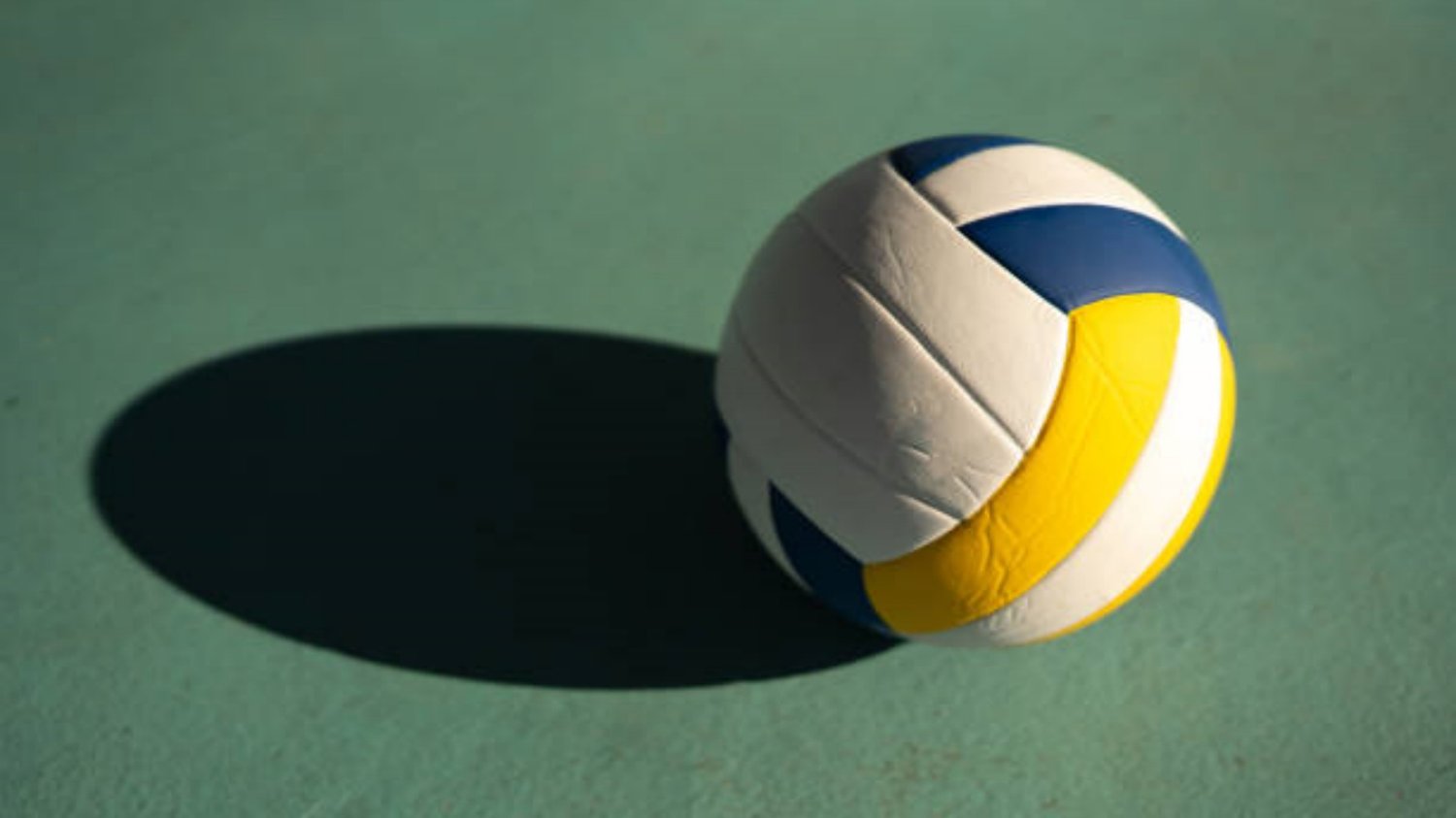
Understanding Machine Stitched Volleyballs
Machine stitched volleyballs are distinguished by their precise, durable seams created through automated sewing techniques. Unlike hand-stitched volleyballs, the machine stitching ensures consistent tension and quality, making these volleyballs reliable for both indoor and outdoor play. Recognizing the construction method is the first step towards appreciating the specific maintenance requirements of machine stitched volleyballs.
Importance of Proper Maintenance for Machine Stitched Volleyballs
Maintaining a machine stitched volleyball is essential to preserve its integrity and performance. The stitching holds the panels together and affects the ball's shape and bounce. Neglecting maintenance can lead to premature seam unraveling, panel damage, and decreased playability. Regular upkeep safeguards the stitching and materials, optimizing the volleyball’s lifespan.
Cleaning Techniques That Protect Machine Stitched Seams
Cleaning machine stitched volleyballs properly prevents grime and pollutants from degrading the stitches. Use a soft cloth dampened with mild soap and water rather than harsh chemicals or abrasive scrubbers. Avoid submerging the ball entirely, as excess moisture can weaken the stitching threads and cause panels to swell, resulting in misshapen volleyballs.
Proper Inflation Guidelines for Machine Stitched Volleyballs
Inflating a machine stitched volleyball within manufacturer-recommended pressure ranges is crucial for stitch preservation. Overinflation stresses seams and increases the risk of thread breakage, while underinflation causes poor bounce and inconsistent play. Using a pressure gauge and inflating with a needle designed for volleyballs maintains optimal tension on the seams.
Storage Practices to Extend Volleyball Stitch Longevity
Storing machine stitched volleyballs in a controlled environment protects the stitching and outer material. Avoid exposure to extreme temperatures, direct sunlight, or damp areas which can cause the stitching thread to weaken or rot. Ideally, volleyballs should be stored in cool, dry places, preferably in a volleyball bag with ventilation to prevent mildew.
Environmental factors like heat, humidity, and outdoor elements influence the durability of machine stitched volleyballs. Excessive heat can dry out the synthetic leather and threads, leading to cracking or stitch failure. Humid conditions may encourage mold growth in stitching fibers. Preventing prolonged exposure and routine maintenance mitigate such risks.
Identifying and Repairing Stitch Damage
Early detection of stitch damage is vital for machine stitched volleyball maintenance. Signs include loose threads, seam gaps, or panel detachment. Small issues can be repaired using specialized thread or professional stitching services to avoid further deterioration. Timely repairs help retain ball shape and performance without needing full replacement.
Routine Checks and Maintenance Schedules
Establishing a regular inspection schedule enhances machine stitched volleyball maintenance. Weekly visual checks for seam integrity and overall condition prevent unnoticed damage accumulation. Routine cleaning, proper inflation assessment, and timely repairs as part of maintenance routines ensure consistent ball quality during training and matches.
Comparing Machine Stitched Volleyball Maintenance to Hand-Stitched Models
Machine stitched volleyballs require a different maintenance approach compared to hand-stitched versions. The uniform tension in machine stitching provides robustness but also demands careful inflation and cleaning to protect tightly sewn seams. Understanding these nuances avoids mistakes common when applying hand-stitched volleyball care methods to machine stitched balls.
Benefits of Effective Machine Stitched Volleyball Maintenance
Proper machine stitched volleyball maintenance maximizes the ball’s durability, performance, and value. By protecting seams and panels, well-maintained volleyballs maintain consistent bounce, shape retention, and resistance to wear in competitive environments. This reduces the frequency of replacements, saving costs for players and teams over time.
Quote Inquiry
contact us