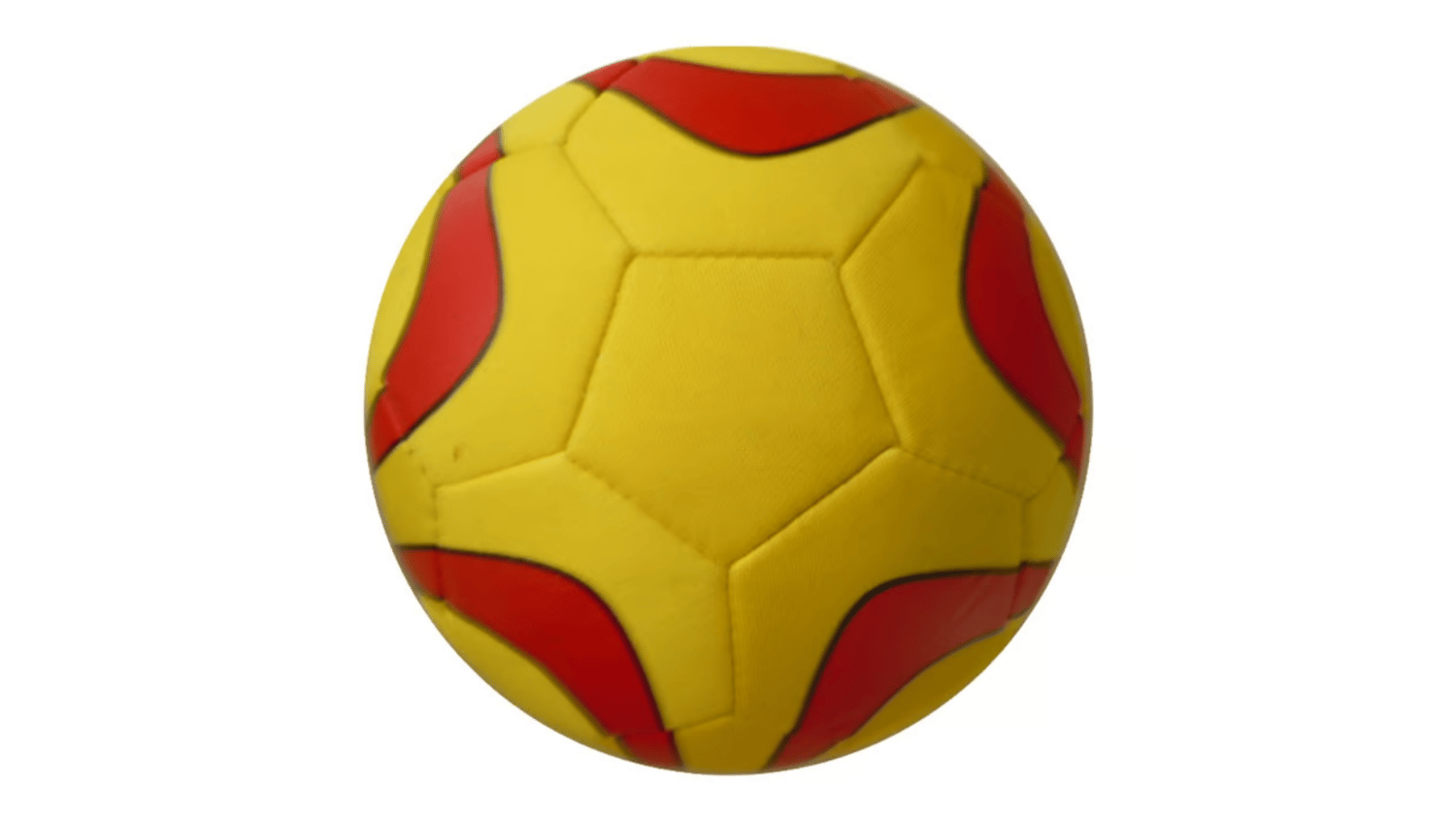
A neoprene soccer ball is a specialized football constructed with a neoprene outer layer, a synthetic rubber known for its flexibility, durability, and water resistance. Unlike traditional leather or PVC soccer balls, the neoprene cover offers enhanced grip and superior weather resistance, making it an excellent option for diverse playing conditions. Its unique material composition ensures that the ball maintains its shape and performance even after prolonged use.
Advantages of Neoprene Material in Soccer Balls
Neoprene possesses several beneficial qualities that translate well to soccer ball manufacturing. The material is highly elastic, resistant to abrasion, and withstands exposure to various environmental elements such as rain, heat, and cold. These properties allow neoprene soccer balls to retain their structural integrity without cracking or deforming, providing players with a dependable ball throughout their training and competitive matches.
Enhanced Grip and Control with Neoprene Soccer Balls
One of the key benefits of a neoprene soccer ball is its enhanced grip. The material's slightly textured surface facilitates better ball handling and control during play. This makes it easier for players to dribble, pass, and shoot accurately, especially under wet or slippery conditions where traditional balls might become slick or harder to manage.
Durability Compared to Conventional Soccer Balls
When compared to balls made from natural leather or cheaper synthetic materials, neoprene soccer balls generally exhibit superior longevity. The tough neoprene layer resists wear from constant contact with rough surfaces, such as concrete or gravel, making it an ideal choice for street and recreational soccer. This durability reduces the frequency with which players or teams need to replace their equipment.
Water Resistance and Weather Performance
Neoprene’s inherent water-resistant quality is a significant advantage for a soccer ball. Conventional leather balls can absorb water, becoming heavier and affecting ball dynamics. Neoprene soccer balls, however, repel moisture, preventing water absorption. As a result, the ball’s weight and flight characteristics remain consistent, even in rainy or damp playing environments.
Impact on Player Safety and Injury Prevention
The softer and more flexible texture of neoprene compared to traditional soccer ball materials can provide a gentler impact upon contact with the body. This quality reduces the risk of bruising or injury, especially important for younger players or those training intensively. The material’s shock-absorption ability helps protect players while maintaining strong performance standards.
Suitability for Training and Recreational Use
Neoprene soccer balls are frequently favored for training purposes due to their resilience and consistent performance. Coaches find them particularly useful for developing ball control skills and practicing in various weather conditions. Additionally, their durability makes them economical for recreational players who want a ball that can withstand frequent use across different terrains.
Environmental Considerations of Neoprene Soccer Balls
While neoprene is synthetic, manufacturers have made strides in improving the environmental impact of producing these soccer balls. Innovations include using bio-based neoprene and implementing recycling processes for worn-out balls. Moreover, the longevity of neoprene balls helps reduce waste by lowering the need for frequent replacements compared to less durable alternatives.
Market Availability and Price Range
Neoprene soccer balls are increasingly accessible through sporting goods retailers, both in physical stores and online platforms. Prices tend to vary depending on brand, size, and additional technologies incorporated into the ball’s design. Generally, neoprene soccer balls are moderately priced, providing an excellent balance between cost and long-term quality.
Future Trends in Neoprene Soccer Ball Development
The future of neoprene soccer balls looks promising as material science advances continue to improve their performance characteristics. Innovations in manufacturing could yield even lighter, more durable, and eco-friendly versions of these balls. Additionally, enhanced customization options, such as printed graphics or team logos on the neoprene surface, are becoming more popular, allowing players and teams to combine style with practicality.
Quote Inquiry
contact us